
Small Living Room Furniture Ideas: How to Make Your Space Feel Bigger
Introduction: Small Space, Big Potential
A small living room doesn't mean you have to sacrifice style or comfort. In fact, with the right furniture choices and layout strategies, a compact living space can feel cozy, functional, and surprisingly spacious. The key is working with your room's dimensions, not against them.
Whether you're living in a city apartment, a starter home, or simply have a smaller living area, this guide will help you choose furniture that maximizes your space without making it feel cramped or cluttered. We'll cover the biggest mistakes people make (oversized sofas in tiny rooms), the smartest furniture choices, and layout tricks that create the illusion of more space.
By the end of this guide, you'll know exactly how to furnish your small living room so it feels open, inviting, and perfectly proportioned.
The Cardinal Rule: Scale Matters More Than You Think
The single biggest mistake people make in small living rooms is choosing furniture that's too large for the space. A standard three-seater sofa might look perfect in the showroom, but in a 10' × 12' living room, it dominates and makes everything feel cramped.
The Two-Thirds Rule
Your longest piece of furniture should not exceed two-thirds the length of the wall it sits against. If your main wall is 12 feet (144 inches), your sofa should be no longer than 96 inches. This maintains visual balance and prevents overwhelming the space.
Scale isn't just about length—it's also about visual weight. A low-profile sofa with slim arms takes up less visual space than a chunky, high-backed piece, even if their footprints are similar. In small rooms, every inch of perceived space counts.
Smart Sofa Choices for Small Living Rooms
Apartment-Size Sofas (Under 80 Inches)
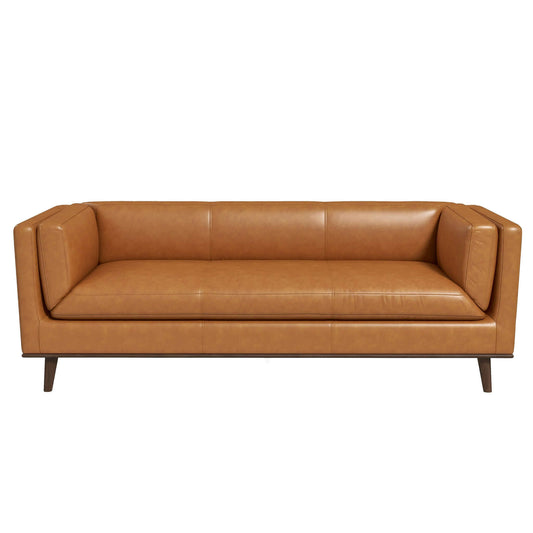
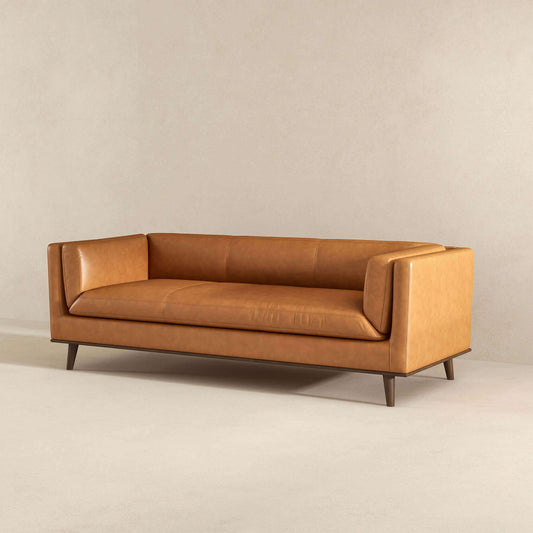
Apartment-size sofas are specifically designed for small spaces. Typically 72-80 inches long, they provide comfortable seating for 2-3 people without dominating the room. Look for models with:
- Slim or track arms: These add only 4-6 inches to each end, versus 8-10 inches for traditional rolled arms
- Raised legs: Exposed legs create visual lightness and make the room feel more open
- Lower backs: 30-34 inch back height instead of 36-38 inches helps maintain sight lines
- Lighter colors: Cream, light gray, or beige reflects light and recedes visually
Loveseats: Don't Dismiss Them
A loveseat (typically 58-68 inches) might seem too small, but in a truly compact living room (under 150 square feet), a loveseat plus accent chairs often works better than cramming in a full sofa. You get more flexible seating arrangements and better traffic flow.
Small Sectionals: Yes, They Can Work
Counterintuitive but true: a small sectional can actually be more space-efficient than a sofa plus chair. A two-piece sectional (around 85 inches × 60 inches) fits into a corner, uses wall space efficiently, and provides more seating than a standard sofa.
Real talk: We've seen many clients initially resist sectionals for small spaces, thinking they'd be too big. But a compact L-shaped sectional positioned in a corner often creates better flow than a sofa floating in the middle of the room with chairs awkwardly placed around it.
Multi-Functional Furniture: Your Secret Weapon
In small spaces, every piece of furniture should work overtime. Multi-functional pieces aren't about compromise—they're about smart design.
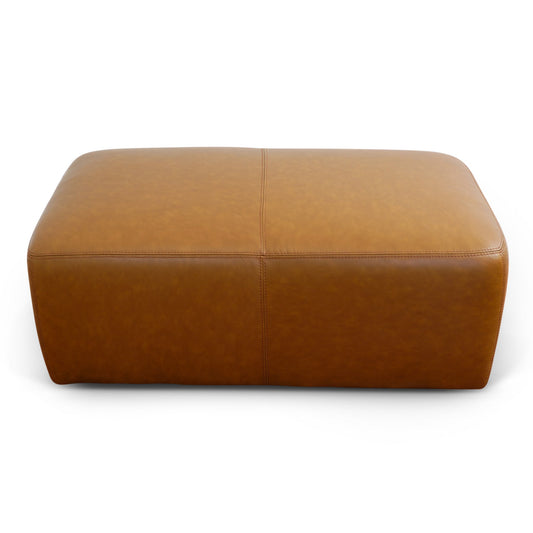
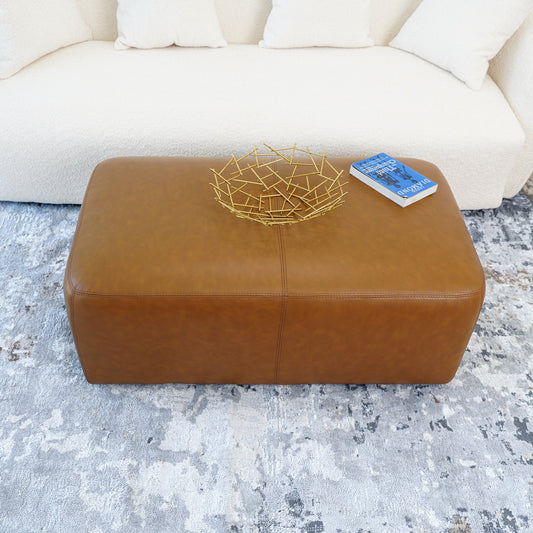
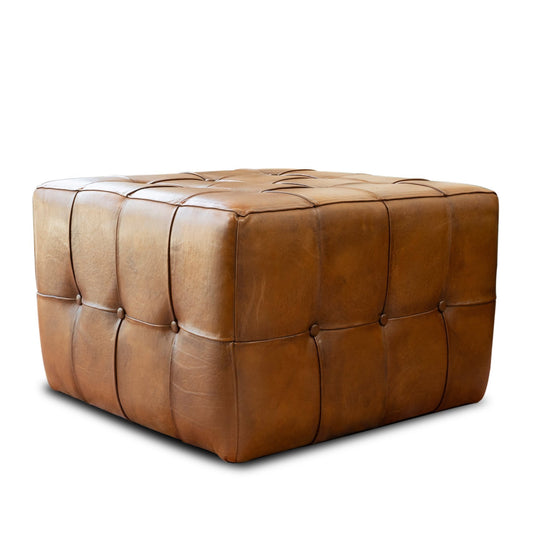
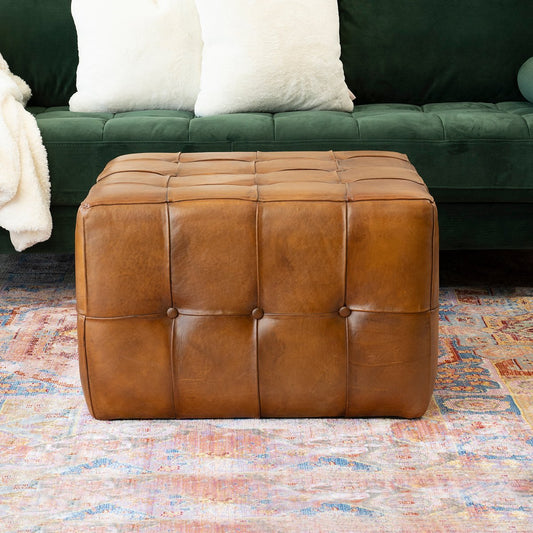
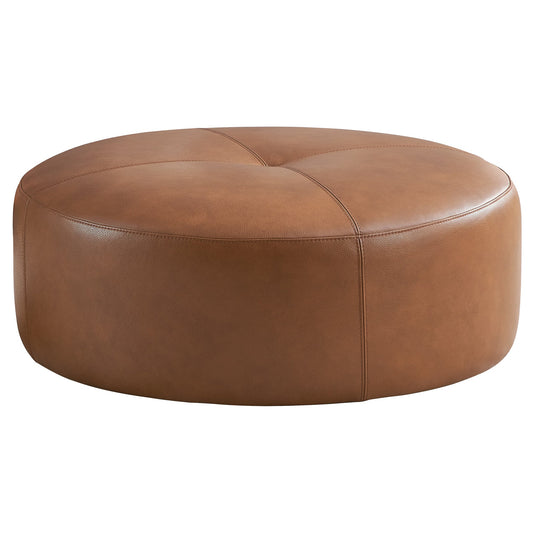
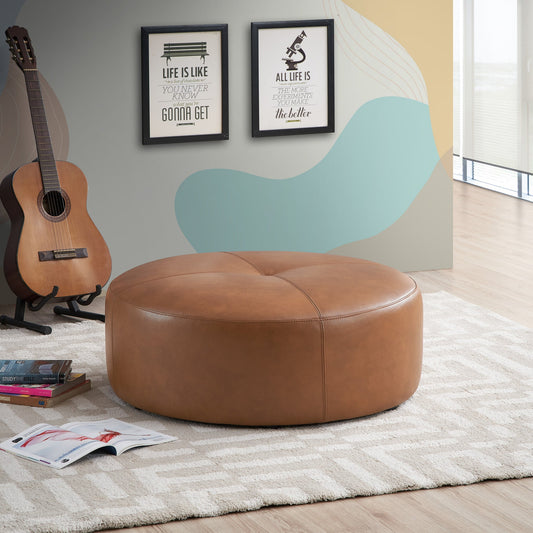
Ottoman Coffee Tables
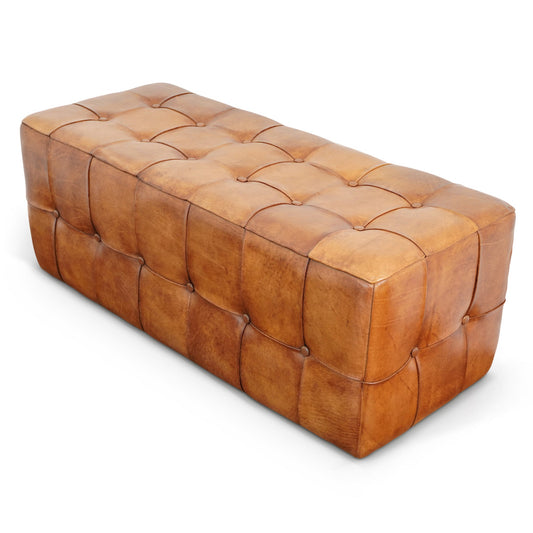
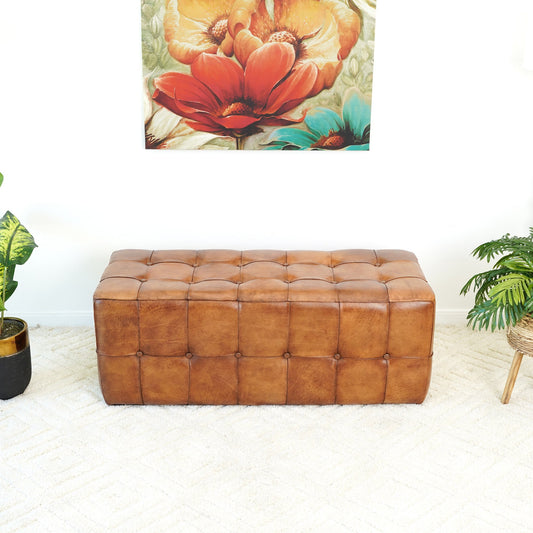
A storage ottoman serves as coffee table, extra seating, and hidden storage. Choose one that's the right height for your sofa (typically 16-18 inches tall) and has a sturdy top surface. Many come with trays for drinks and remotes.
Nesting Tables
Instead of one large coffee table or side tables, nesting tables provide flexibility. Spread them out when entertaining; tuck them together to free up floor space. They're particularly useful for small apartments where you might rearrange furniture for different purposes.
Console Tables Behind Sofas
If your sofa doesn't sit against a wall (and in small spaces, it often shouldn't—more on that later), a slim console table behind it adds surface space without eating up floor area. Use it for lamps, books, or decorative objects.
Accent Chairs with Storage
Some accent chairs include hidden storage under the seat cushion. Not all do, but if you need extra storage for throws, books, or remotes, it's worth seeking out.
Layout Strategies That Create Space
Float Your Furniture (Yes, Really)
It seems wrong to pull furniture away from walls when you're short on space, but floating your sofa a few feet from the wall actually makes the room feel larger. Here's why:
- Creates a sense of depth and dimension
- Allows you to use the space behind the sofa (console table, floor lamp)
- Defines the seating area without boxing it in
- Improves traffic flow around the perimeter
Obviously, this only works if you have at least 10-12 inches to spare behind the sofa. In truly tiny rooms (under 10' × 10'), you'll likely need to position furniture against walls.
Create Clear Pathways
Maintain at least 24 inches (preferably 30) for walkways through and around your seating area. Cramped pathways make a room feel smaller than it is. If maintaining good traffic flow means choosing a smaller sofa, choose the smaller sofa.
Corner Arrangements
Arranging furniture in corners maximizes usable floor space in the center of the room. This could be a sectional in one corner, or a chair positioned at an angle in another. Diagonal placement is particularly effective—it softens the boxy feel of small square rooms.
Use Vertical Space
Tall bookcases, vertical artwork, and floor-to-ceiling curtains draw the eye upward, making ceilings feel higher and rooms feel more spacious. Just keep tall furniture slim—a narrow bookshelf has far less visual weight than a wide entertainment center.
What to Avoid in Small Living Rooms
Oversized Sectionals
That massive U-shaped sectional might be comfortable, but in a small living room, it devours space and makes everything feel cramped. If you want a sectional, stick to compact two-piece or three-piece configurations.
Bulky, Overstuffed Furniture
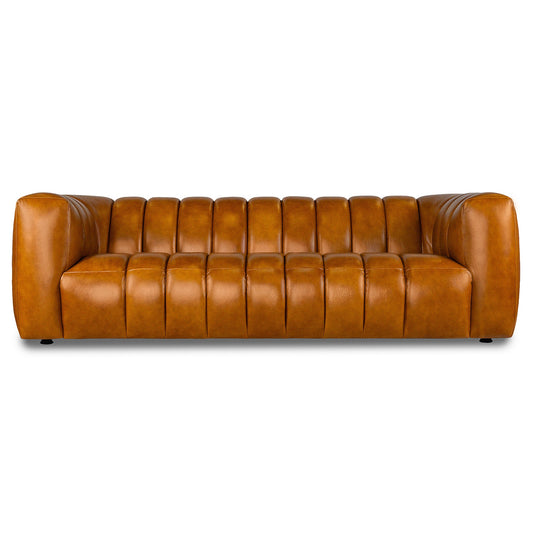
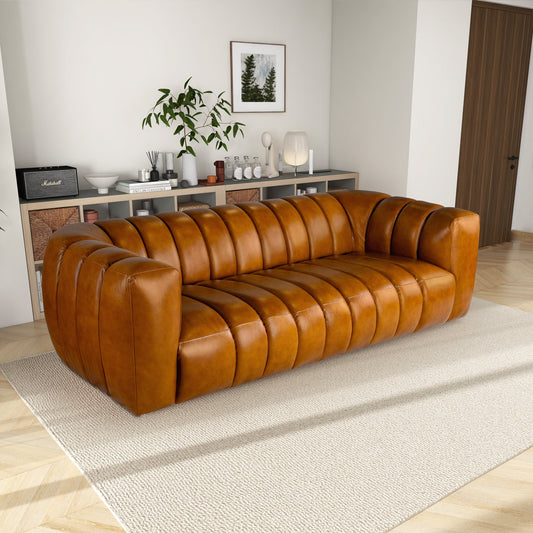
Deep-cushioned, heavily padded sofas have visual heft. In small rooms, opt for cleaner-lined, more tailored pieces. You can still have comfortable cushions—just avoid the billowy, overstuffed look.
Too Much Furniture
A sofa, loveseat, two accent chairs, ottoman, coffee table, two side tables, and a console table? That's too much for most small living rooms. Choose fewer pieces and let them breathe. Sometimes a sofa and two accent chairs is all you need.
Dark, Heavy Colors
A chocolate brown sofa in a small, poorly-lit living room will make the space feel cave-like. Save dark, dramatic furniture for larger rooms with ample natural light. In small spaces, stick to lighter neutrals or soft colors.
Furniture That Blocks Windows
Natural light makes small spaces feel larger. Don't position tall furniture in front of windows. If your only wall option blocks a window, choose a low-profile piece that lets light pass over it.
Color and Material Strategies
Light and Neutral Colors
Light colors reflect light and visually recede, making furniture feel less imposing. Cream, light gray, beige, soft blue, and pale green all work beautifully in small spaces. This doesn't mean your room has to be boring—add color through pillows, throws, and artwork.
Monochromatic Schemes
Using various shades of the same color family creates visual continuity, making the space feel larger and more cohesive. A room with a beige sofa, cream chair, and tan pillows flows better than one with navy, red, and green all competing for attention.
Transparent and Reflective Materials
Glass coffee tables, acrylic accent chairs, and mirrored surfaces take up physical space but not visual space. They're not for everyone, but in very small living rooms, they can be game-changers. Even just one transparent element (like a glass coffee table) opens up sight lines.
Leggy Furniture Over Skirted
Sofas and chairs with exposed legs show more floor, creating an airier feeling. Furniture with skirts that reach the floor creates a heavy, grounded look that can make small rooms feel cramped. Choose pieces with at least 4-6 inches of visible leg height.
Specific Room Size Recommendations
Very Small Living Room (Under 150 sq ft / 10' × 15')
Recommended furniture: Loveseat (60-70 inches) or apartment sofa (72-78 inches), one accent chair, small coffee table or ottoman, one side table. That's it. Resist adding more—you'll lose precious floor space and create a cluttered feeling.
Small Living Room (150-250 sq ft / 12' × 16')
Recommended furniture: Apartment sofa (75-85 inches) or small sectional, two accent chairs OR one chair and ottoman, coffee table, 1-2 side tables. You have room for a more complete furniture arrangement, but still need to be selective.
Compact Living Room (250-350 sq ft / 14' × 18')
Recommended furniture: Standard sofa (85-90 inches) or compact three-piece sectional, two accent chairs, coffee table, two side tables, possible console table. At this size, you have more flexibility but should still avoid oversized pieces.
Lighting: The Often-Overlooked Space Expander
Furniture choices matter, but lighting dramatically affects how spacious a room feels. Small living rooms need layered lighting:
- Overhead lighting: Flush-mount or semi-flush ceiling fixtures that don't hang low and visually clutter the space
- Floor lamps: Position in corners to illuminate dark spots and make the room feel brighter and larger
- Table lamps: On side tables or console tables for ambient lighting
- Wall sconces: These free up surface space while providing light—perfect for small rooms
Good lighting makes colors appear truer, shadows disappear, and spaces feel more open. In small living rooms, this is as important as furniture selection.
Final Tips for Small Space Success
Measure Twice, Buy Once
This is crucial for small spaces where every inch counts. Before ordering furniture, measure your room, doorways, and traffic paths. Use painter's tape to mark out furniture footprints on your floor. Live with it for a day. Does it feel right? If it feels cramped with tape, it'll feel cramped with furniture.
Prioritize What Matters Most
Do you entertain frequently? Prioritize seating. Watch TV every evening? Ensure comfortable viewing angles. Work from home? Maybe you need a small desk more than a second accent chair. Your lifestyle should dictate your furniture choices, not generic room layouts.
Edit Ruthlessly
Small spaces look best when they're not overfilled. If your living room feels cluttered, remove one piece of furniture. You might be surprised how much better the room feels with less. Quality and editing beat quantity every time.
Use Mirrors Strategically
A large mirror opposite a window reflects light and views, making the room feel brighter and larger. This is one of the oldest tricks in the design book because it genuinely works. Just don't overdo it—one well-placed mirror is better than three smaller ones.
Conclusion: Small Space, Smart Choices
Furnishing a small living room successfully comes down to three principles: appropriate scale, smart furniture choices, and thoughtful layout. You don't need to sacrifice comfort or style—you just need to be more intentional about every piece you bring into the space.
Remember the two-thirds rule for furniture size, prioritize multi-functional pieces, maintain clear traffic pathways, and choose lighter colors that reflect light. Float your furniture when possible, use vertical space, and edit ruthlessly.
A well-furnished small living room can feel cozy and inviting rather than cramped and cluttered. It's about working with your space's dimensions and making choices that enhance rather than fight against them.