
Modern vs Traditional Furniture: Which Style Is Right for You?
Introduction: Finding Your Furniture Identity
Walk into any furniture showroom and you'll notice two distinct aesthetics: sleek, minimal pieces with clean lines, and ornate, detailed furniture with curves and traditional details. These represent the two major furniture style camps—modern and traditional—and understanding the differences helps you make better choices for your home.
But here's what makes this confusing: most people don't fit purely into one category. You might love the clean look of modern furniture but find it cold. Or you appreciate traditional craftsmanship but don't want your home to look like your grandmother's house. That's completely normal.
This guide will help you understand what defines modern versus traditional furniture, how to identify which style resonates with you, and most importantly, how to choose pieces that create a home you actually want to live in—not just a perfectly styled Pinterest board.
What Is Modern Furniture?
Modern furniture emphasizes simplicity, functionality, and clean lines. It strips away ornamentation to focus on form and purpose. Born from the modernist movement of the early-to-mid 20th century, modern furniture has evolved but maintains core principles.
Modern Furniture Characteristics
Visual Elements
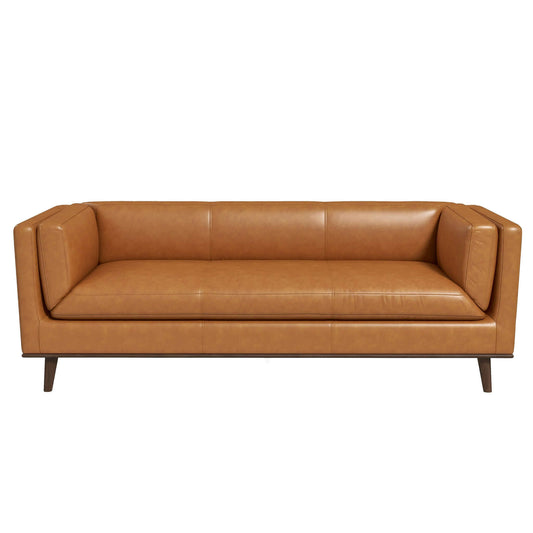
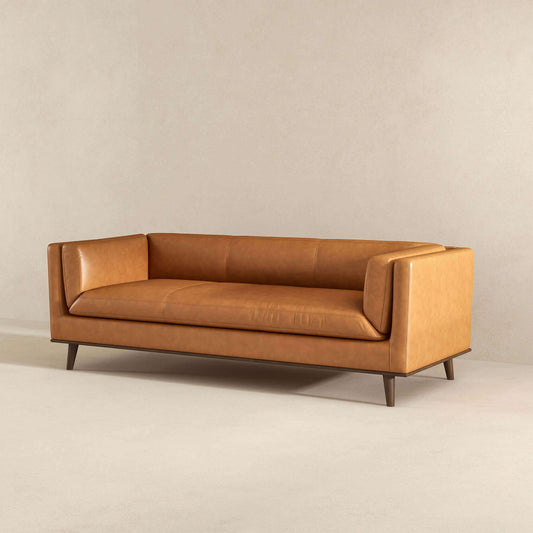
- Clean, straight lines: Minimal curves, geometric shapes, simple silhouettes
- Low-profile designs: Furniture sits closer to the ground with horizontal emphasis
- Exposed legs: Visible, often tapered legs create an airy, floating appearance
- Minimal ornamentation: Beauty comes from proportion and materials, not decorative details
- Neutral color palettes: Blacks, whites, grays, with occasional bold accent colors
Materials
- Metal (steel, chrome, brass)
- Glass (tables, shelving)
- Leather (especially in solid colors)
- Smooth, finished wood (walnut, oak, teak)
- Synthetic materials (molded plastic, acrylic)
The Philosophy
Modern furniture follows "form follows function"—every element serves a purpose. There's nothing extra, nothing purely decorative. This creates spaces that feel uncluttered, serene, and intentional.
Common Modern Furniture Styles
Mid-Century Modern: The most popular subset. Think tapered legs, organic curves, warm woods. Less austere than other modern styles. Popularized by designers like Eames and Saarinen.
Contemporary: Today's interpretation of modern principles. More relaxed rules, often incorporating mixed materials and textures while maintaining clean lines.
Scandinavian/Nordic: Modern with warmth. Natural materials, light woods, cozy textiles, but still maintaining minimal ornamentation and functional design.
Industrial: Raw, utilitarian aesthetic. Exposed metal, reclaimed wood, unfinished elements. Modern in its honesty about materials and construction.
What Is Traditional Furniture?
Traditional furniture draws from European design heritage—English, French, Italian classics that have stood the test of centuries. It emphasizes craftsmanship, decorative details, and a sense of established elegance.
Traditional Furniture Characteristics
Visual Elements
- Ornate details: Carved wood, decorative moldings, embellishments
- Curves and scrolls: Cabriole legs, rolled arms, curved backs
- Rich, layered look: Multiple fabrics, patterns, textures working together
- Substantial proportions: Furniture feels grounded and weighty
- Warm, rich color palettes: Burgundy, forest green, navy, chocolate, cream
Materials
- Dark, rich woods (mahogany, cherry, walnut)
- Upholstery fabrics (damask, velvet, silk, brocade)
- Detailed hardware (brass, bronze fixtures and pulls)
- Stone and marble (table surfaces)
- Natural materials with visible craftsmanship
The Philosophy
Traditional furniture celebrates history, craftsmanship, and the beauty of handmade details. It creates spaces that feel established, comfortable, and timeless in a different way than modern—drawing from proven designs rather than innovation.
Common Traditional Furniture Styles
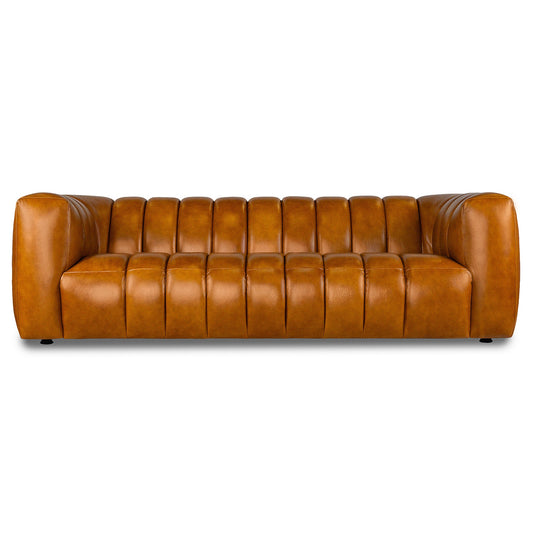
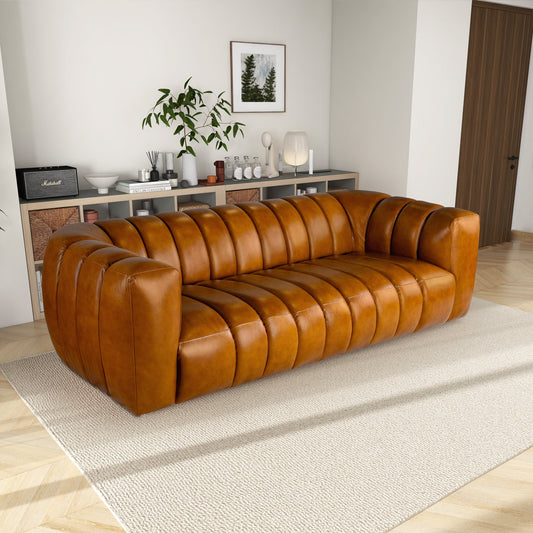
English Traditional: Think Chesterfield sofas, wingback chairs, rolled arms. Rich leather, deep tufting, substantial presence.
French Country: Softer than English. Curved lines, lighter woods, toile fabrics, distressed finishes. Elegant but approachable.
American Colonial: Simpler than European styles but still traditional. Practical details, turned legs, warm woods. Less ornamentation than English or French.
Victorian: The most ornate. Heavily carved details, elaborate fabrics, maximum embellishment. Less common in modern homes but influences more restrained traditional styles.
Side-by-Side Comparison
| Element | Modern | Traditional |
|---|---|---|
| Lines | Clean, straight, minimal curves | Curves, scrolls, ornamental |
| Ornamentation | Minimal to none | Carved details, embellishments |
| Materials | Metal, glass, leather, smooth wood | Rich woods, velvet, damask, silk |
| Colors | Neutrals with bold accents | Warm, rich tones |
| Legs/Base | Exposed, often tapered | Often concealed or carved |
| Overall Feel | Minimalist, airy, current | Layered, substantial, timeless |
| Philosophy | Form follows function | Craftsmanship and heritage |
Which Style Is Right for You?
Quick Style Assessment
Answer these honestly—there are no right answers:
- Do you prefer rooms that feel calm and uncluttered, or warm and layered?
- Would you rather have fewer statement pieces or more collected items?
- Do you gravitate toward neutral palettes or rich, warm colors?
- Does "minimalist" sound appealing or cold to you?
- When you see ornate carvings on furniture, do you think "beautiful" or "fussy"?
- Do you want your home to feel current and fresh, or timeless and established?
Consider Your Lifestyle
Modern furniture works well if you:
- Prefer minimalist aesthetics and dislike visual clutter
- Want easy-to-clean, practical furniture
- Have a smaller space that benefits from lighter-looking pieces
- Appreciate contemporary art and design
- Like changing your decor frequently (neutral modern pieces adapt easily)
Traditional furniture works well if you:
- Love a collected, layered look with personality
- Want furniture that feels substantial and established
- Appreciate craftsmanship and decorative details
- Have a larger space that can handle more visual weight
- Want long-term pieces that won't feel dated
The Middle Ground: Transitional Style
Here's a secret: you don't have to choose. Most people actually prefer transitional style—a blend of modern and traditional elements that takes the best of both.
What Is Transitional?
Transitional furniture combines modern's clean lines with traditional's warmth. It's the sofa with straight arms but plush cushions. The dining table with simple lines but warm wood. The aesthetic that feels current but not cold, classic but not stuffy.
Key Elements of Transitional Style
- Simplified traditional shapes: Take traditional forms and strip away ornate details
- Neutral color palettes: Like modern, but with warmer undertones
- Mixed materials: Combine wood, metal, glass, and upholstery
- Clean but comfortable: Streamlined silhouettes with soft textures
- Subtle details: Some decorative elements, but restrained
Real talk: Most of our customers end up with transitional-leaning homes even when they think they want purely modern or purely traditional. A modern sofa feels cold, so they add traditional throw pillows. A traditional chair feels too heavy, so they pair it with a sleek modern side table. This mixing is not only acceptable—it's how most real homes look.
Mixing Styles Successfully
You can absolutely mix modern and traditional furniture in one room. Here's how to make it work:
The 80/20 Rule
Choose one style as your dominant aesthetic (80%) and use the other as accents (20%). A mostly modern room with one traditional wingback chair works. A mostly traditional room with a sleek modern coffee table works. An even 50/50 split often looks indecisive.
Find a Common Thread
Connect different styles through:
- Color palette: All pieces share similar tones even if styles differ
- Wood tone: Keep wood finishes consistent across styles
- Scale: Mix styles but maintain similar proportions
- Material: A modern leather sofa and traditional leather chair feel related
Create Balance
If one side of the room is very modern, balance it with something more traditional on the other side. Visual weight should feel distributed, not all clustered in one area or one style.
Avoid These Mixing Mistakes
- Too many competing styles (modern + traditional + industrial + farmhouse = chaos)
- Drastically different scales (delicate modern chair next to massive traditional sofa)
- No repeating elements (at least one style should appear twice for cohesion)
- Forgetting about texture (all smooth modern or all heavy traditional feels one-note)
Shopping Tips by Style
If You're Buying Modern Furniture
- Invest in quality—simple designs show poor construction more obviously
- Pay attention to proportions—they're everything in minimal design
- Add warmth through textiles (throws, pillows) to avoid cold spaces
- Consider texture variation—smooth, matte, and glossy surfaces together
If You're Buying Traditional Furniture
- Ensure your space can handle the visual weight
- Don't overdo ornamentation—even traditional benefits from editing
- Mix in some lighter pieces to avoid heaviness
- Choose quality fabrics—traditional furniture is all about textiles
If You're Going Transitional
- Start with neutral large pieces
- Add personality through accent pieces and accessories
- This is the most forgiving style for mixing mistakes
- Focus on comfort—transitional is about livability
Conclusion: Your Style, Your Rules
The modern versus traditional debate isn't about which is "better"—it's about what resonates with you and works in your space. Modern furniture offers clean simplicity and contemporary appeal. Traditional furniture provides warmth, detail, and established elegance. Transitional style gives you the best of both.
The truth is, most homes aren't showrooms. They're collections of pieces you love that work together through color, scale, and intention. A modern sofa can absolutely work with your grandmother's antique side table if they share a color palette and appropriate scale.
Visit showrooms, browse online, save images of rooms you love. You'll start to notice patterns in what appeals to you. That's your style—not what a design magazine says you should like, but what genuinely makes you feel at home.