



The Truth About Cats and Leather Sofas: Preventing Leather Furniture Pet Damage
The question of whether cats and leather sofas can coexist has a complicated answer. Unlike dogs, whose main threat is nail scratches from walking and jumping, cats pose a more fundamental challenge: their instinctive scratching behavior specifically targets materials like leather. A leather sofa with cats requires honest assessment, strategic prevention, and realistic expectations.
This guide gives you the unvarnished truth about leather furniture pet damage from cats, which leather types survive best, proven prevention strategies, and when leather might not be the right choice for your household. We'll help you make an informed decision rather than an optimistic one you'll regret.
The honest answer: cats and leather can coexist, but it requires more effort than other pet-furniture combinations, and success isn't guaranteed with every cat.
Why Cats and Leather Are a Challenging Combination
Understanding cat behavior explains why leather presents unique challenges. Cats scratch for multiple reasons—none of which have easy solutions when leather furniture is involved.
Scratching Is Instinctive, Not Behavioral
Cats scratch to maintain their claws, mark territory (via scent glands in their paws), stretch muscles, and relieve stress. This isn't bad behavior you can train away—it's hardwired feline biology. Every cat scratches; the only question is what they scratch.
Leather's Texture Appeals to Cats
Unfortunately, leather's texture often attracts cats. The slight resistance, the satisfying sound, and the way claws sink in make leather appealing as a scratching surface. Some cats ignore leather furniture entirely; others fixate on it. You won't know which category your cat falls into until they encounter leather.
Damage Is Often Severe and Visible
Cat claws are sharper and more curved than dog nails. When cats scratch leather, they don't just mark the surface—they can gouge deeply, creating tears and shredding that no amount of conditioning or repair can fix. One determined scratching session can destroy a cushion face.
- Cats with low scratching drive
- Excellent scratching post alternatives
- Consistent deterrent use
- Regular nail maintenance
- Strategic furniture protection
- Cats with strong scratching instincts
- Inadequate scratching alternatives
- Inconsistent prevention efforts
- Declawed cats (behavior often persists)
- Multiple cats amplifying damage
Leather Types and Cat Resistance
If you're committed to having both a leather sofa and cats, leather selection significantly affects your odds of success.
Best Choice: Thick, Protected Leather
Protected (pigmented) leather with substantial thickness offers the best cat resistance. The protective coating provides a first line of defense, while thickness means casual swipes don't immediately penetrate to cause visible damage. Look for leather described as "thick cut" or with specific thickness measurements (1.1mm+ is better).
Good Option: Distressed Leather
Distressed or pull-up leather won't resist scratching better, but it hides damage more effectively. The intentionally worn, varied appearance means scratches blend into the existing character rather than standing out as obvious damage. For cat owners, this aesthetic accommodation can extend acceptable furniture life significantly.
Avoid: Aniline Leather
Unprotected aniline leather shows every mark immediately and permanently. Even light scratching creates visible damage. Unless you're certain your cat ignores furniture entirely, aniline leather and cats don't mix. For more on leather protection levels, see our guide on protected vs unprotected leather.
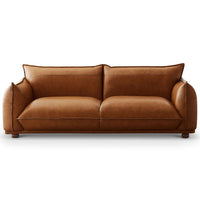
Featured: The Sheffield Sofa
For cat owners willing to implement protection strategies, the Sheffield Sofa offers the kind of durable construction that gives you the best chance of success.

The Sheffield features quality leather construction with the durability that pet households require. Its classic design provides timeless style while the protected leather surface offers better resistance to everyday wear—including the challenges that come with cat ownership.
Paired with proper scratching alternatives and prevention strategies, quality leather furniture like the Sheffield can successfully share space with feline family members.
View the Sheffield SofaPrevention Strategy #1: Provide Better Alternatives
The single most effective strategy for protecting leather from cats is providing scratching surfaces your cat prefers over furniture. This isn't optional—it's essential.
Multiple Scratching Posts
One scratching post isn't enough. Provide 2-4 posts in different locations, especially near the leather furniture you're protecting. Cats often scratch after waking, so place posts near sleeping areas. Variety matters—offer both vertical posts and horizontal scratching pads.
Material Matters
Sisal rope is the gold standard for scratching posts—most cats prefer it over other materials. Cardboard scratchers are inexpensive and many cats love them. Carpet-covered posts work for some cats but can actually encourage furniture scratching by teaching cats that soft, fibrous surfaces are appropriate targets.
Size and Stability
Posts must be tall enough for full stretching (at least 30 inches for adult cats) and stable enough not to wobble or tip. Cats avoid unstable posts. A wobbly scratching post is worse than none—it teaches cats that designated scratching surfaces are unsatisfying.
Strategic placement: Position the most appealing scratching post directly next to your leather sofa. When your cat approaches the sofa to scratch, the better alternative is immediately available. Make the right choice the easy choice.
Prevention Strategy #2: Make Leather Unappealing
While providing alternatives, simultaneously make your leather furniture less attractive for scratching.
-
Double-sided tape Cats hate sticky surfaces; apply to corners and edges where scratching typically starts
-
Citrus sprays Most cats dislike citrus scents; spray deterrents on furniture (test on hidden area first)
-
Aluminum foil Temporarily covering vulnerable areas with foil deters scratching during training periods
-
Furniture covers Protective throws on cat-preferred spots; remove for company
-
Plastic furniture protectors Clear panels that attach to furniture corners and sides; effective but visible
Prevention Strategy #3: Nail Maintenance
Sharp claws cause more damage than blunt ones. Regular nail maintenance reduces the severity of any scratching that does occur.
Regular Trimming
Trim cat nails every 1-2 weeks. Unlike dogs, cats' claws are retractable and stay sharper naturally, so frequent trimming matters more. Focus on removing the sharp tip—you don't need to cut deeply.
Nail Caps
Soft Paws or similar vinyl nail caps cover claw tips, preventing damage even when cats scratch. They last 4-6 weeks before falling off naturally as nails grow. Many cats tolerate them well after initial adjustment. This is the closest thing to a guarantee against scratching damage.
About declawing: We don't recommend declawing. Beyond the ethical concerns, declawed cats often continue scratching behavior using their paw pads—they just can't cause the same damage. And declawing creates other behavioral and health issues that may be worse than furniture damage.
Prevention Strategy #4: Environmental Management
Managing your cat's environment and behavior provides additional protection layers.
Interrupt and Redirect
When you catch your cat approaching furniture to scratch, interrupt with a sharp sound (clapping, shaking a can of coins) and immediately redirect to an appropriate scratching surface. Reward scratching post use with treats and praise. Consistency over weeks creates new habits.
Feliway and Calming Products
Stress increases scratching. Feliway diffusers release synthetic feline pheromones that reduce anxiety-driven scratching in many cats. They won't stop instinctive scratching but may reduce excessive or stress-based scratching.
Playtime and Enrichment
Bored cats scratch more. Regular interactive play sessions and environmental enrichment (cat trees, window perches, puzzle feeders) reduce problem scratching by providing other outlets for feline energy and instincts.
Realistic Expectations: What Success Looks Like
Even with perfect prevention, realistic expectations matter:
| Expectation | Reality |
|---|---|
| Zero damage ever | Unlikely; some minor marking is probable over time |
| Minimal wear over years | Achievable with consistent effort and cooperative cat |
| Furniture looks "lived in" | Common outcome; distressed leather hides this best |
| Significant visible damage | Likely without prevention efforts or with determined scratchers |
Success with a leather sofa and cats means accepting that some character development is likely while preventing catastrophic damage. If you need furniture that looks showroom-perfect indefinitely, leather in a cat household may not be your best choice.
When Leather Isn't the Right Choice
Honest assessment helps avoid expensive mistakes. Consider alternatives to leather if:
- Your cat is a known furniture scratcher—past behavior predicts future behavior; a dedicated furniture scratcher won't reform just because you bought new leather
- You have multiple cats—damage potential multiplies; cats also can encourage each other's scratching behavior
- You won't consistently implement prevention—occasional efforts don't work; daily attention to alternatives, deterrents, and nail care is required
- You want pristine furniture—if visible wear will cause significant distress, choose materials where wear bothers you less
- It's a new cat or kitten—you don't yet know their scratching tendencies; wait until patterns establish before investing in leather
Alternatives Worth Considering
If the risk assessment gives you pause, these alternatives may serve cat households better:
Tightly Woven Performance Fabrics
Fabrics like Crypton or Revolution offer scratch resistance because claws can't catch and pull fibers. They're not immune to cat attention, but they survive it better than many materials—including some leathers.
Microfiber
Quality microfiber resists snagging and shows scratching less than leather. It's not as durable overall, but for dedicated cat households, it may be more practical.
Leather in Cat-Free Zones
Some households successfully use leather by keeping cats out of certain rooms. If you can restrict cat access to areas without leather furniture, you get leather beauty without cat risk.
Repairing Cat Damage
When damage occurs despite prevention efforts, repair options depend on severity:
Light Surface Scratches
Minor scratches on protected leather can sometimes be buffed out or minimized with leather conditioner. The oils help blend light marks into surrounding leather. See our leather conditioning guide for maintenance techniques.
Moderate Scratches
Leather repair kits with color-matched compounds can fill and disguise medium damage. Results vary—repairs are rarely invisible but can make damage less noticeable.
Severe Damage
Deep gouges, tears, and shredding typically require professional repair or panel replacement. Costs can be substantial. Sometimes damage is beyond practical repair, requiring furniture replacement.
Conclusion
Can cats and leather sofas coexist? Yes—but it requires honest assessment, consistent effort, and realistic expectations. A leather sofa with cats works best when you choose scratch-resistant leather types, provide excellent scratching alternatives, maintain regular nail care, and accept that some wear is likely.
The key question isn't whether coexistence is possible, but whether it's practical for your specific situation. A low-key cat in a household committed to prevention can share space with leather furniture for years. A determined scratcher, multiple cats, or inconsistent prevention efforts make leather furniture pet damage nearly inevitable.
Make your decision based on your actual cat (or wait to see patterns before investing), your willingness to maintain prevention routines, and your tolerance for imperfect furniture. When all factors align favorably, cats and quality leather can absolutely share your home.
Explore our leather sofa collection and leather sectionals for durable options, or see our complete guide on leather sofas with pets for additional strategies covering all pet types.
Find Durable Leather Furniture
Quality leather sofas built to handle the realities of pet ownership.
Shop Leather Sofas Living Room Furniture